


How to Choose the Right Binoculars for Hunting & Outdoor Adventures

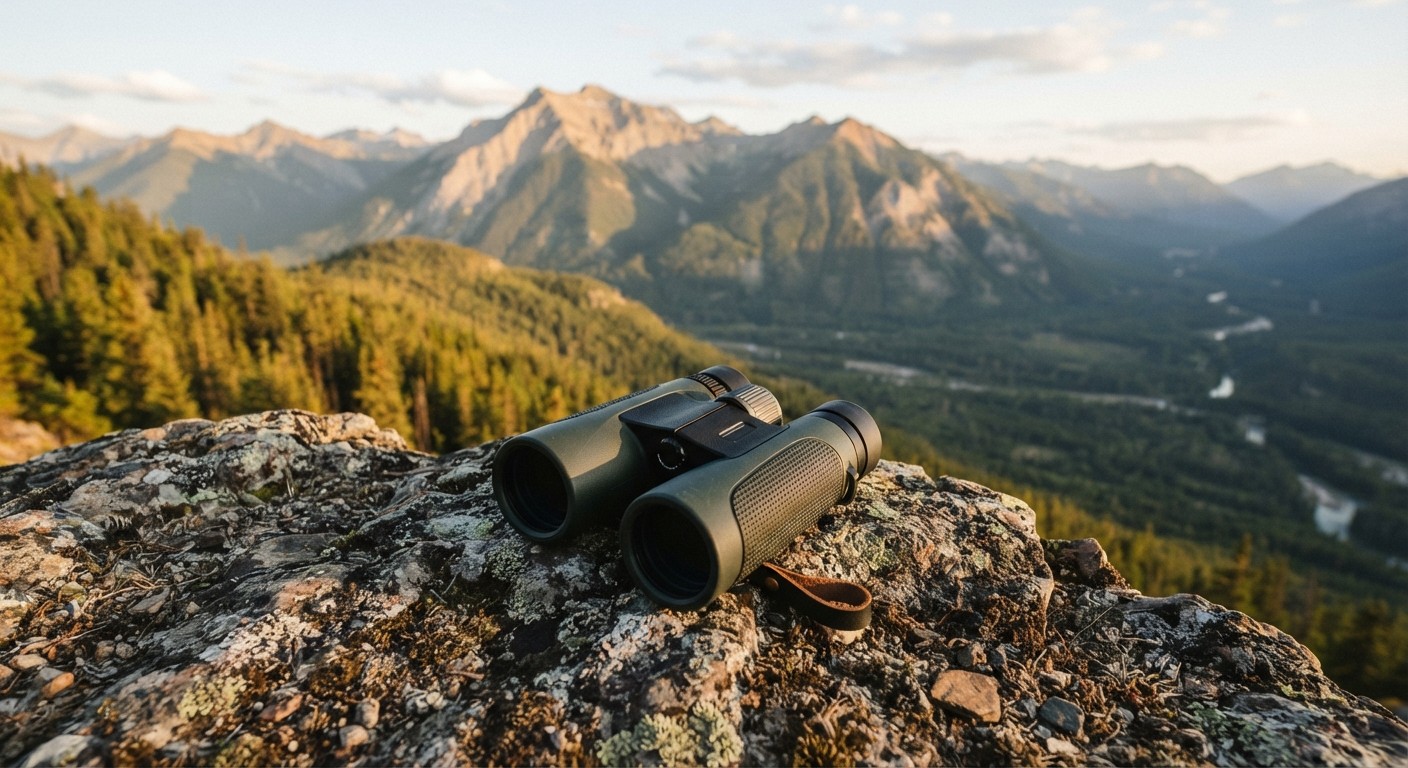
Whether you’re heading into the mountains, exploring the outdoors, watching wildlife, or spending a day in the field, a reliable pair of binoculars can help you see distant details more clearly.
With different magnifications, objective lens sizes, designs, and features available, choosing binoculars can sometimes feel complicated. The right choice depends on how you plan to use them, the environment you’ll be in, and how much weight you’re comfortable carrying.
Here are some of the main things to consider when choosing binoculars for outdoor use.
1. Understand Binocular Magnification
Binoculars are commonly described using two numbers, such as 8×42 or 10×42.
The first number represents the magnification.
For example:
- 8× makes an object appear approximately eight times closer.
- 10× provides greater magnification and can help when viewing objects farther away.
Higher magnification can provide more detail, but it can also make the image more sensitive to hand movement.
For many general outdoor activities, 8× binoculars can provide a comfortable balance between magnification, stability, and field of view. 10× binoculars may be useful when greater magnification is more important.
2. Consider the Objective Lens Size
The second number represents the diameter of the objective lenses in millimeters.
For example, in 8×42 binoculars, the objective lenses are 42 mm.
Larger objective lenses can allow more light to enter the binoculars, which can be useful in lower-light conditions. However, larger lenses can also make binoculars heavier and bulkier.
Common configurations include:
- 8×32 — compact and lightweight
- 8×42 — versatile for many outdoor applications
- 10×42 — higher magnification with a commonly useful lens size
- 10×50 — larger lenses designed for situations where light gathering is important
The best size depends on how you’ll use your binoculars and how much equipment you want to carry.
3. Think About Your Environment
Where you plan to use your binoculars should influence your choice.
If you’re hiking through dense woodland, a compact pair can be convenient because you’ll often be moving between close and medium distances.
For open landscapes, mountains, fields, and other areas where you may need to observe objects farther away, higher magnification can be useful.
Weather is another consideration. Outdoor equipment may be exposed to:
- Rain
- Dust
- Humidity
- Cold temperatures
- Accidental drops or impacts
For regular outdoor use, look for binoculars with durable construction and appropriate weather-resistant features.
4. Field of View Matters
Field of view refers to how much of the surrounding area you can see through the binoculars at a particular distance.
A wider field of view can make it easier to locate moving animals or scan a large area.
Higher magnification often results in a narrower field of view, so there is a balance between seeing more area and getting more magnification.
If you frequently observe moving wildlife, a wider field of view can be particularly useful.
5. Pay Attention to Low-Light Performance
Outdoor activities don’t always happen in bright midday conditions.
Early mornings, evenings, shaded forests, and cloudy weather can reduce the available light.
Binocular performance in these conditions depends on several factors, including:
- Objective lens size
- Optical quality
- Lens coatings
- Exit pupil
- Overall construction
Rather than choosing binoculars based only on the largest lens size or highest magnification, consider the complete optical system and how you’ll actually use the binoculars.
6. Check the Weight and Size
When you’re carrying equipment for several hours, weight becomes important.
A large pair of binoculars may provide excellent optical performance, but carrying additional weight can become uncomfortable during long hikes.
Compact binoculars are easier to carry, while larger models can offer advantages in brightness and viewing performance.
Think about your typical trip before choosing the size.
Short hikes and travel: compact binoculars may be convenient.
Long outdoor trips: consider the balance between weight and optical performance.
Stationary observation: a larger model may be more practical.
7. Look for Comfortable Handling
Binoculars should feel comfortable in your hands.
Pay attention to:
- Grip
- Focus wheel
- Eye relief
- Eyecup design
- Overall balance
If you wear glasses, eye relief becomes particularly important. A suitable design can make viewing more comfortable without requiring you to constantly adjust your position.
8. Consider Waterproof and Fog-Resistant Construction
Outdoor conditions can change quickly.
Waterproof and fog-resistant construction can help protect binoculars when you’re working or exploring in changing weather.
Sealed construction can also help prevent moisture and dust from entering the optical system.
For frequent outdoor use, these features can be worth considering.
9. Don’t Choose Based Only on Magnification
It’s tempting to think that more magnification automatically means better binoculars.
That’s not necessarily the case.
Very high magnification can make it harder to keep the image steady when holding binoculars by hand. It can also reduce the field of view and make moving subjects harder to track.
Instead, consider the complete combination of:
Magnification + objective lens + field of view + weight + optical quality + durability.
The right balance is usually more useful than simply choosing the highest specification.
10. Take Care of Your Binoculars
Once you’ve selected the right pair, proper care can help keep the optics performing well.
Avoid touching the lenses unnecessarily and use appropriate optical cleaning equipment when they become dirty.
When cleaning:
- Remove loose dust and particles first.
- Use a suitable lens-cleaning tool.
- Avoid applying excessive pressure.
- Follow the manufacturer’s cleaning recommendations.
- Store binoculars in a protective case when not in use.
Avoid using household glass cleaners unless the manufacturer specifically recommends them for the lenses.
Choosing the Right Binoculars for You
There isn’t one binocular configuration that works perfectly for every outdoor activity.
The right choice depends on how you plan to use them.
If you want a lightweight option for general outdoor activities, a compact configuration may be suitable. If you spend more time observing distant landscapes or wildlife, a higher-magnification model may be worth considering.
Before buying, consider where you’ll use the binoculars, how long you’ll carry them, the lighting conditions you’ll encounter, and the level of durability you need.
A well-chosen pair of binoculars can become a valuable part of your outdoor gear, providing a clearer view when you need to observe distant surroundings.
Final Thoughts
Choosing binoculars is about finding the right balance rather than simply selecting the biggest or most powerful option.
Consider magnification, objective lens size, field of view, optical performance, weight, durability, and weather resistance before making your decision.
Whether you’re exploring the outdoors, observing wildlife, or preparing for a day in the field, the right optics can make it easier to see and appreciate the environment around you.
Explore Leo Caliber’s optics and outdoor accessories to find equipment suited to your next adventure.