
Choosing the Right Scope for Your Rifle
Picking a rifle scope can feel overwhelming with so many magnification ranges, reticle styles, and price points on the market. Here's what actually matters when you're narrowing down your options.
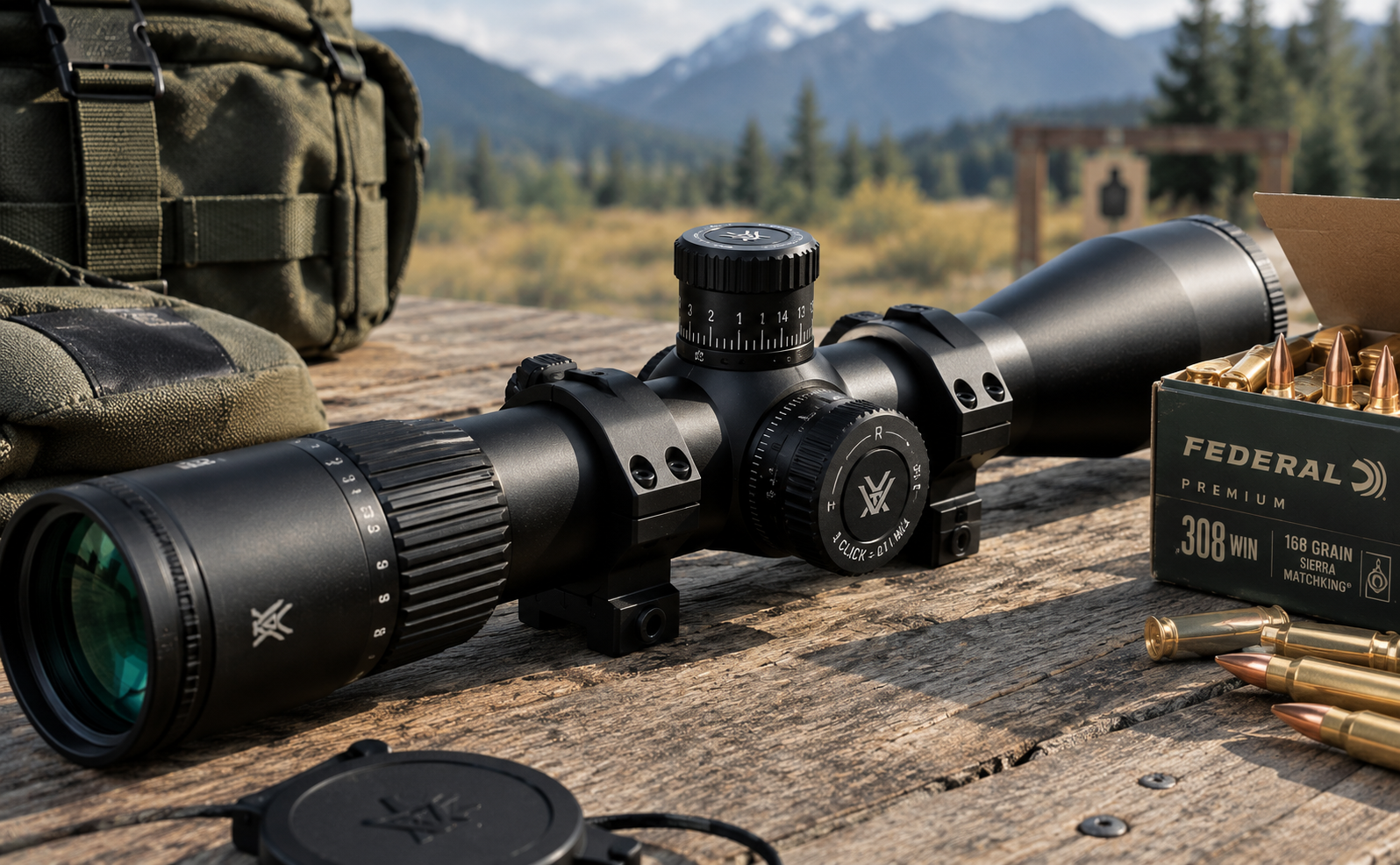
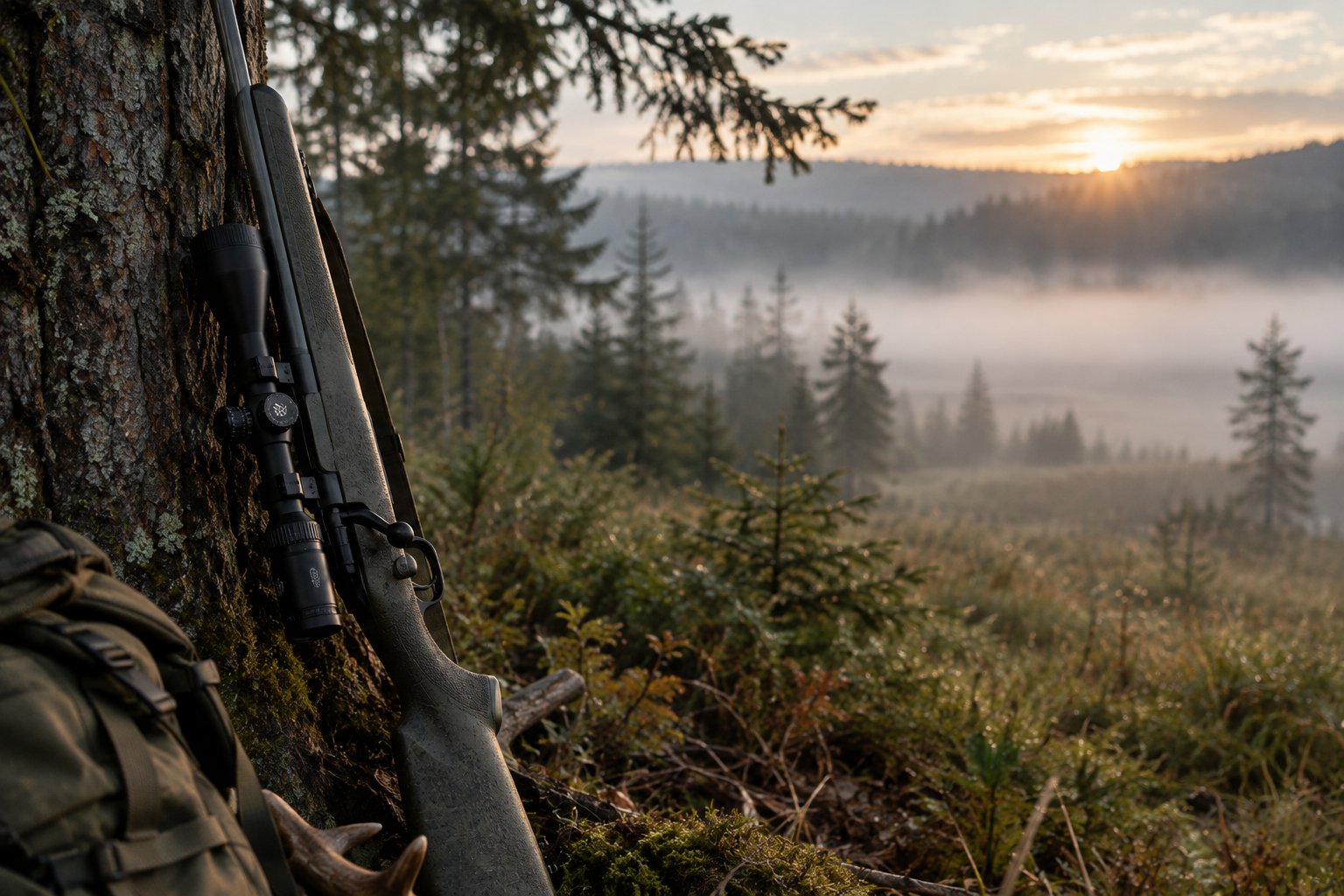
Start with your use case, not the spec sheet. A scope built for 100-yard range days looks very different from one built for a 400-yard backcountry hunt. Before comparing magnification numbers, think about the distances you'll realistically be shooting and the light conditions you'll be in most often — early morning and dusk hunts demand better low-light glass than a midday range session.
Magnification: more isn't always better. A common mistake is chasing the highest magnification available. High magnification narrows your field of view and amplifies every small movement, which can actually work against you at closer ranges or in fast-moving scenarios. A variable scope in the 3-9x or 4-12x range covers the vast majority of hunting and range use.
Reticle type changes how you aim. A duplex reticle is simple and fast for quick target acquisition, while a mil-dot or BDC (bullet drop compensator) reticle gives you reference points for holding over at distance. If you're new to long-range shooting, a BDC reticle paired with a ballistics app makes distance estimation much more approachable.
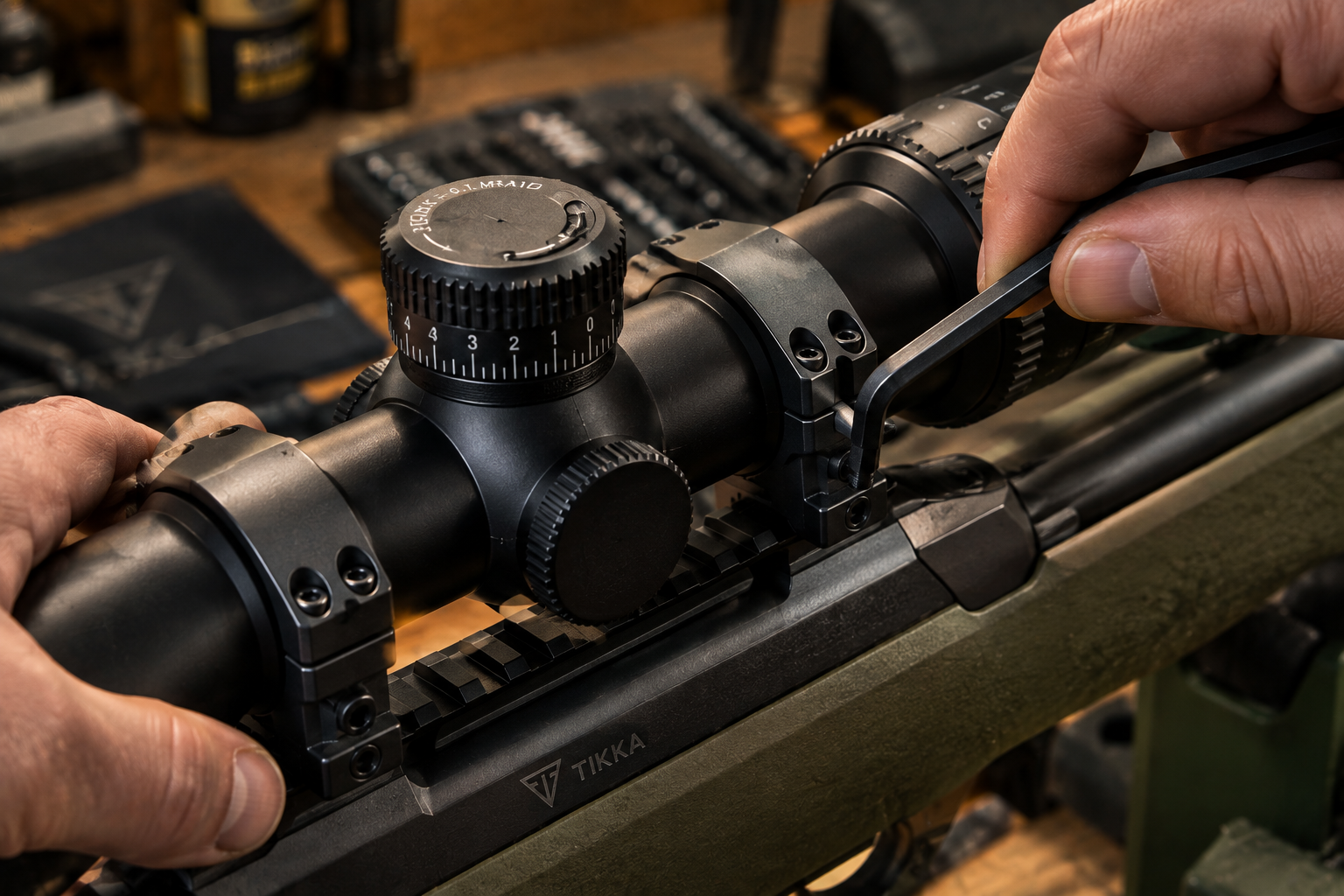
Don't skip mounting height and eye relief. Even a great scope will feel wrong if it's mounted too low or too high relative to your cheek weld, or if the eye relief doesn't match your shooting stance. Get a proper mount height for your rifle's action and comb height before you tighten anything down.
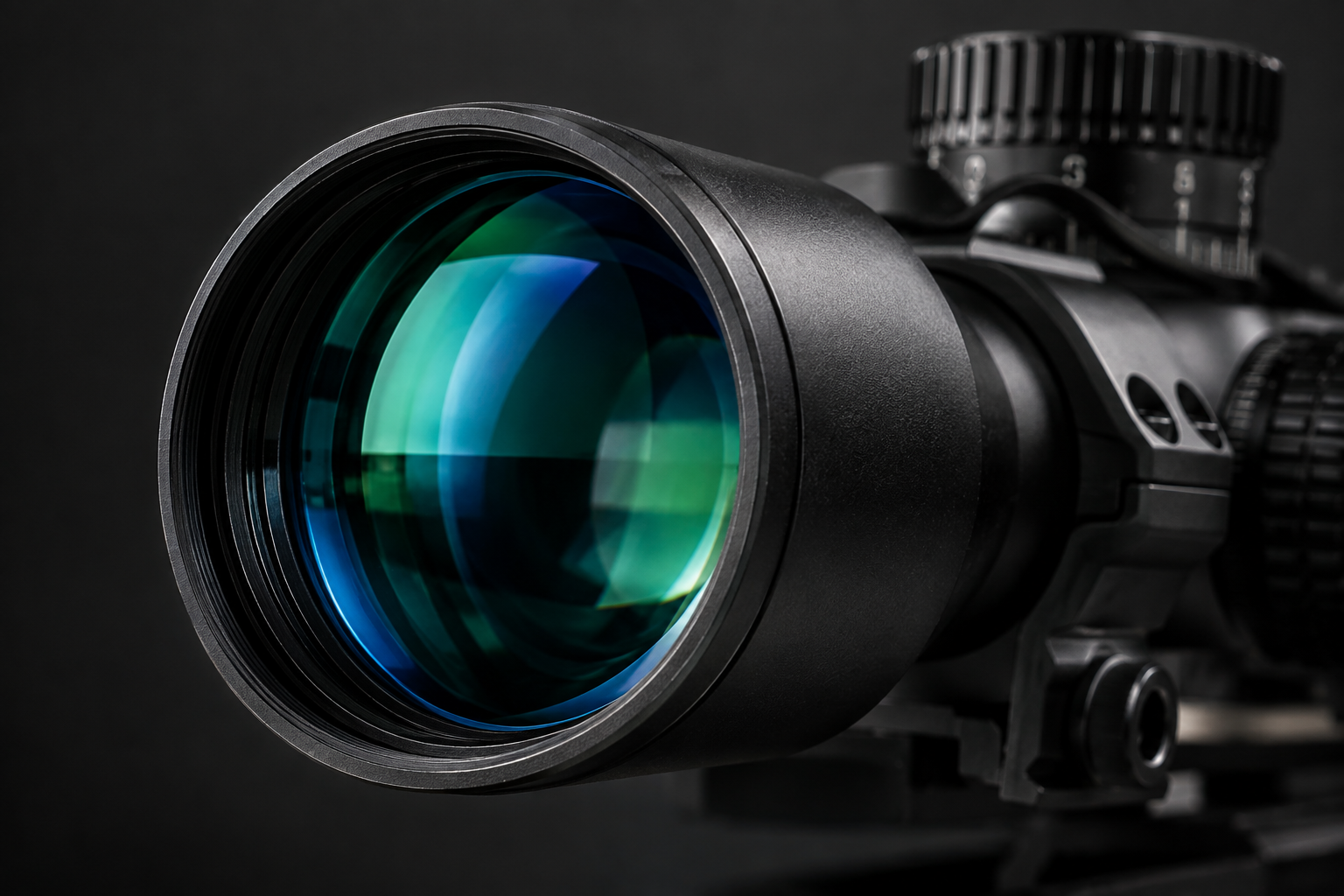
Glass quality shows up at the edges. Two scopes with identical magnification can perform very differently — cheaper glass often shows chromatic aberration and a duller image toward the edge of the field of view. If your budget allows, prioritize lens coating and glass quality over an extra few dollars of magnification range.
At the end of the day, the best scope is the one matched to how and where you actually shoot — not the one with the biggest numbers on the box.
Start With Your Use Case, Not the Spec Sheet
A scope built for 100-yard range days looks very different from one built for a 400-yard backcountry hunt. Before comparing magnification numbers, think about the distances you'll realistically be shooting and the light conditions you'll be in most often — early morning and dusk hunts demand better low-light glass than a midday range session. A common mistake is chasing the highest magnification available: high magnification narrows your field of view and amplifies every small movement, which can work against you at closer range. A variable scope in the 3-9x or 4-12x range covers the vast majority of hunting and range use.
Reticle Type and Mounting Matter More Than You Think
A duplex reticle is simple and fast for quick target acquisition, while a mil-dot or BDC (bullet drop compensator) reticle gives you reference points for holding over at distance. If you're new to long-range shooting, a BDC reticle paired with a ballistics app makes distance estimation far more approachable. Just as important: even a great scope will feel wrong if it's mounted too low or too high relative to your cheek weld, or if the eye relief doesn't match your shooting stance. Get the right mount height for your rifle's action and comb height before you tighten anything down.
Glass Quality Shows Up at the Edges
Two scopes with identical magnification can perform very differently — cheaper glass often shows chromatic aberration and a duller image toward the edge of the field of view. If your budget allows, prioritize lens coating and glass quality over an extra few dollars of magnification range. Fully multi-coated lenses transmit more light and hold contrast better in low light, which matters far more in the field than an extra number on the zoom ring.